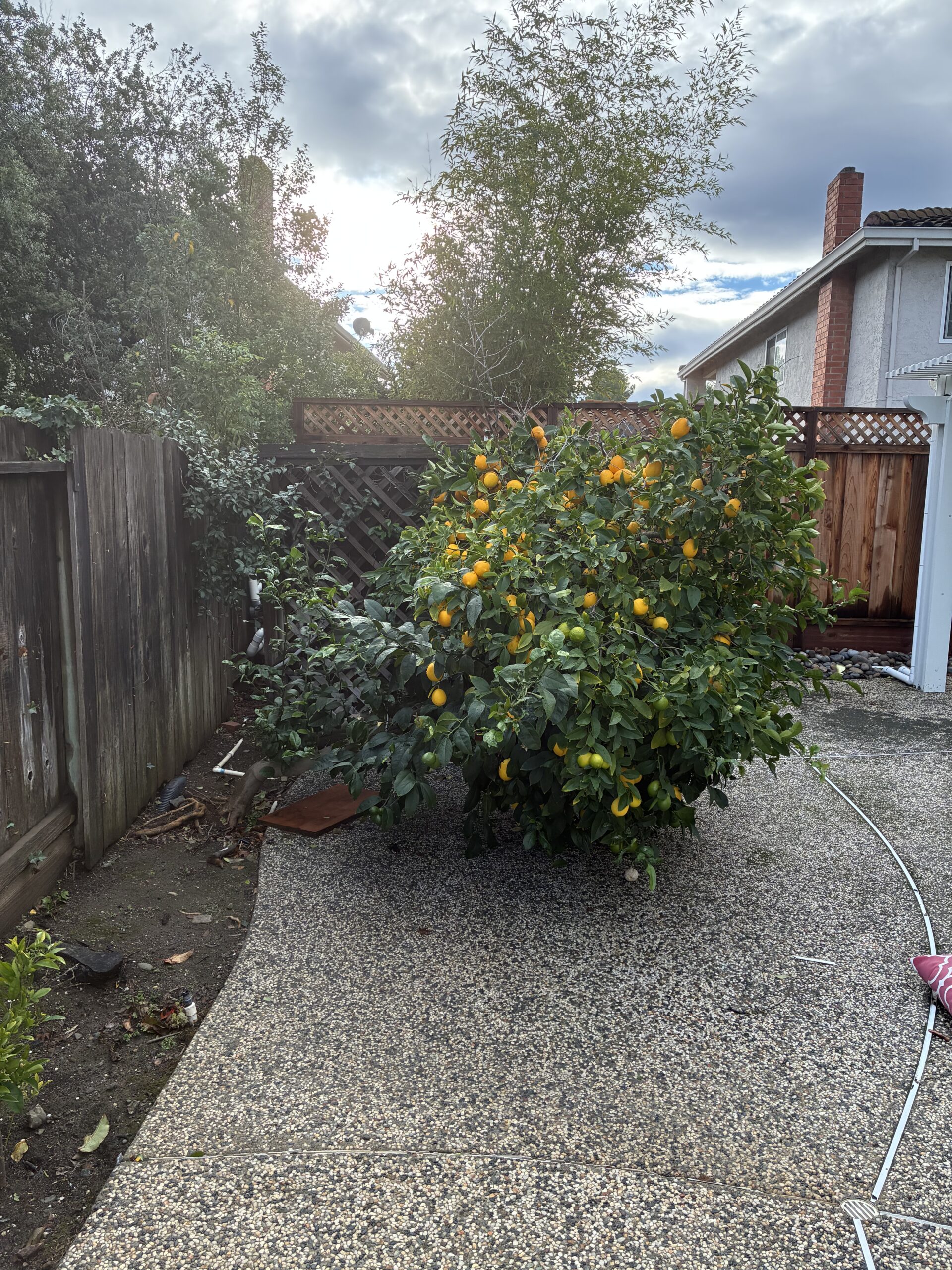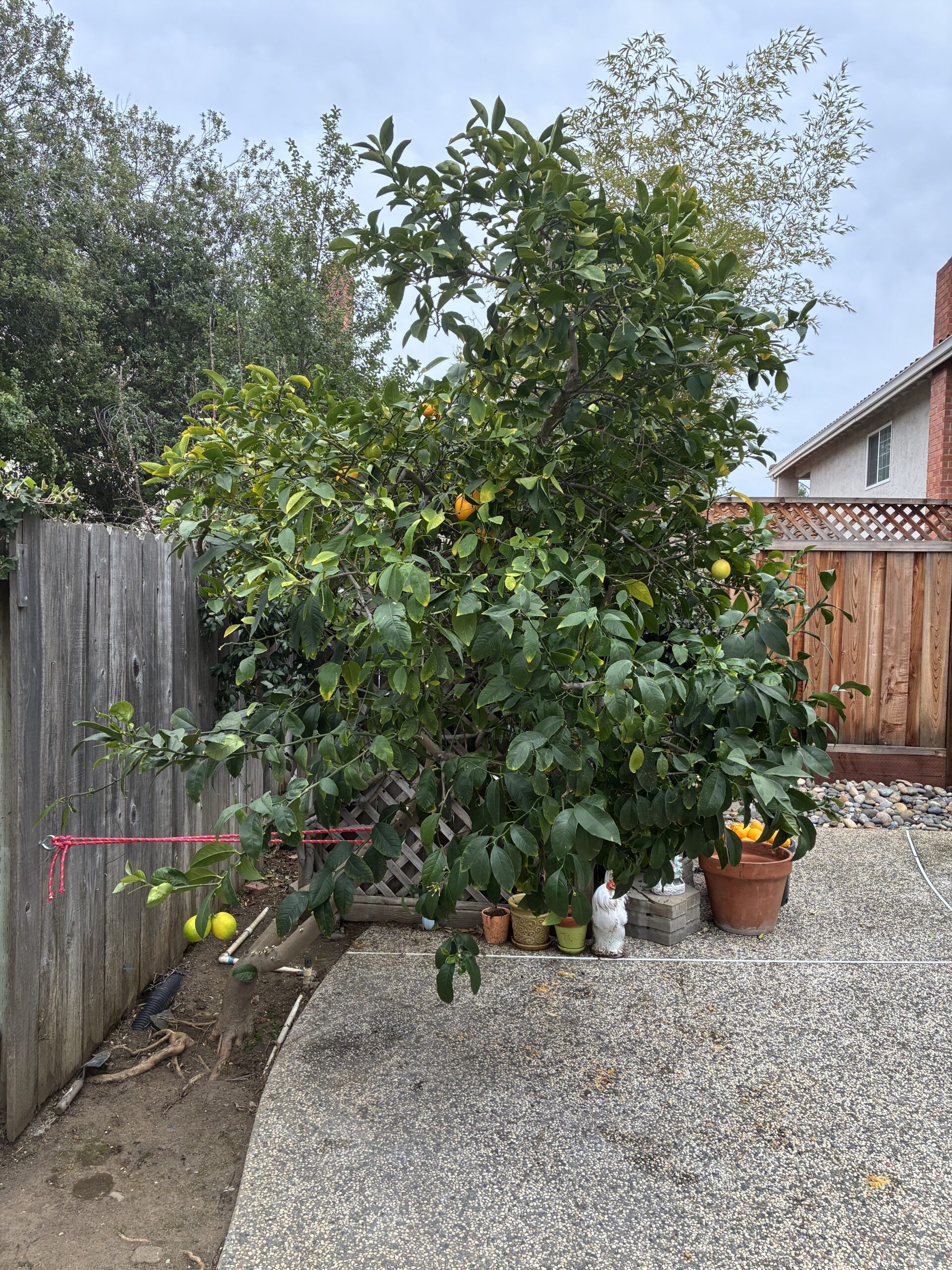
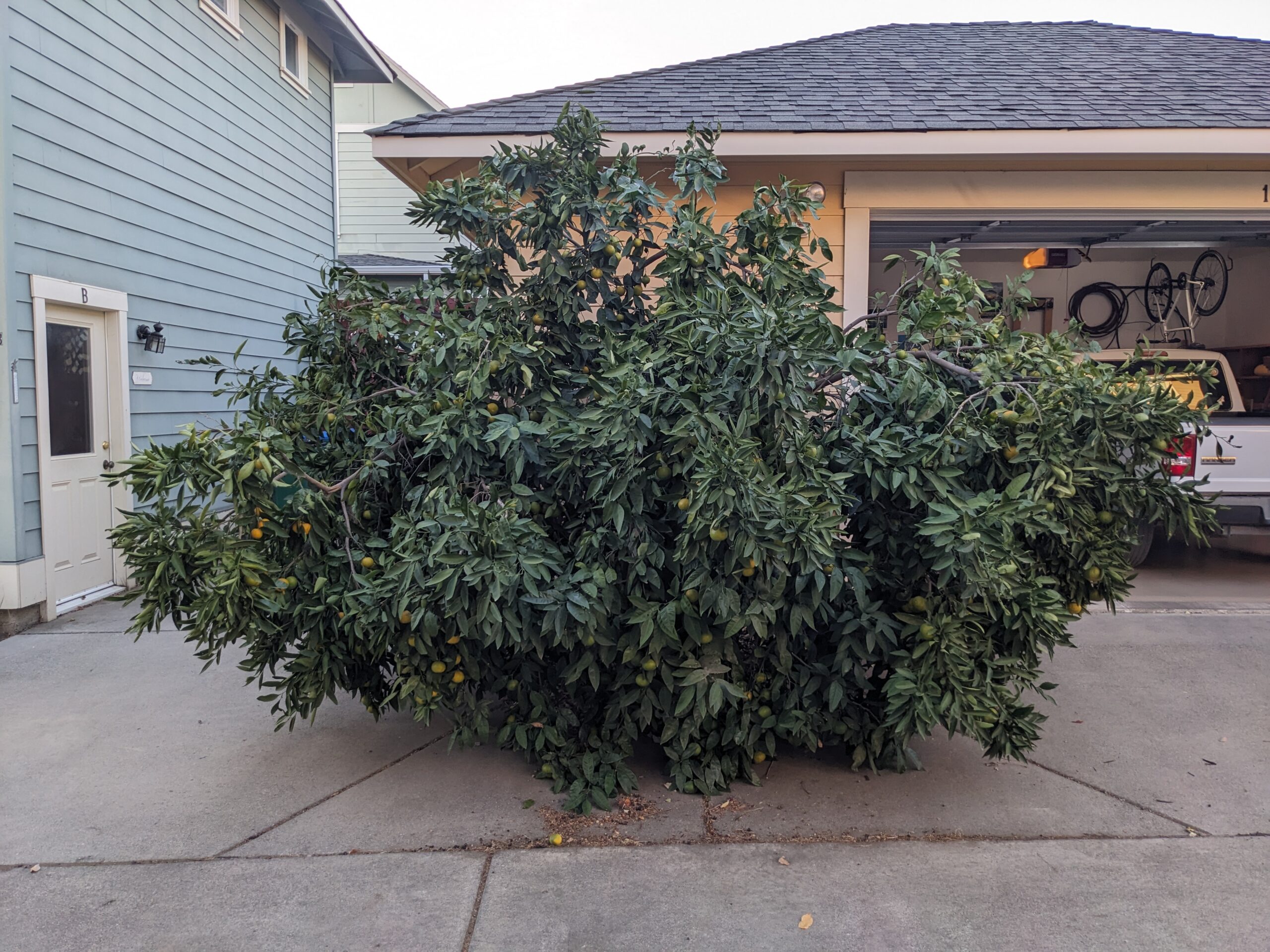
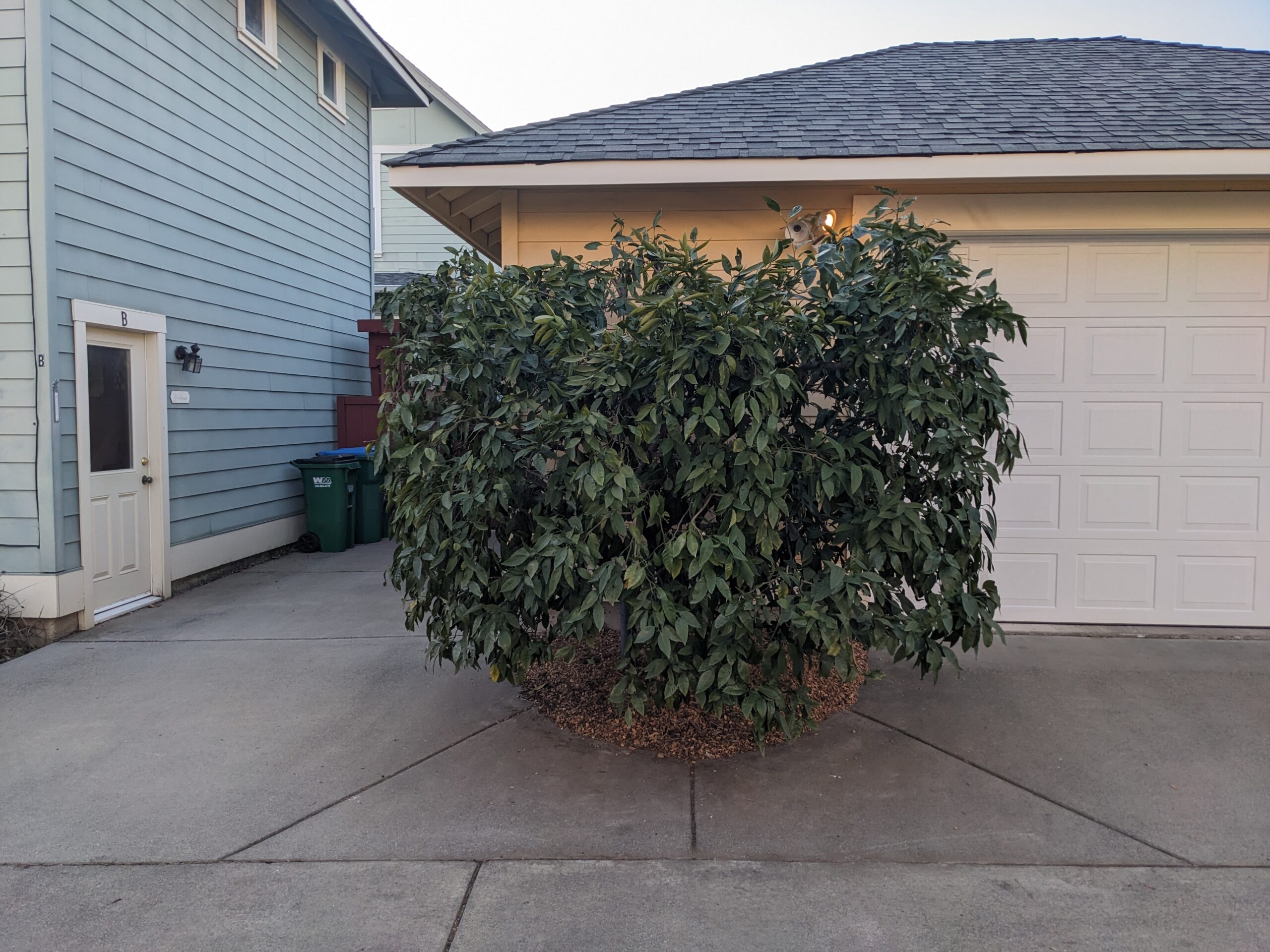
Tree Work: Over the years, I’ve particularly enjoyed working on trees. I just love pruning trees, they are very satisfying to work on! It’s unfortunate I hadn’t started documenting them until recently, but going forward I will be plopping before-and-after sliders in this section with a paragraph providing the usual context of how I approached the pruning or removal and all that good stuff!
Mandarin: Pruning
This Mandarin tree was severely neglected for a few years and was in desperate need of pruning and feeding. The before photo shows how the crown is leaning way far out and ultimately collapsing itself. Through a combination of selectively thinning out some major branches and heading others back that were dense with foliage, the canopy was restored to a more cultivated look, and it will be much easier to reach in and grab a delicious mandarin. I also used a bag of E.B. Stone Citrus to feed it through the spring every 6 weeks, and mulched the base with almond shell.
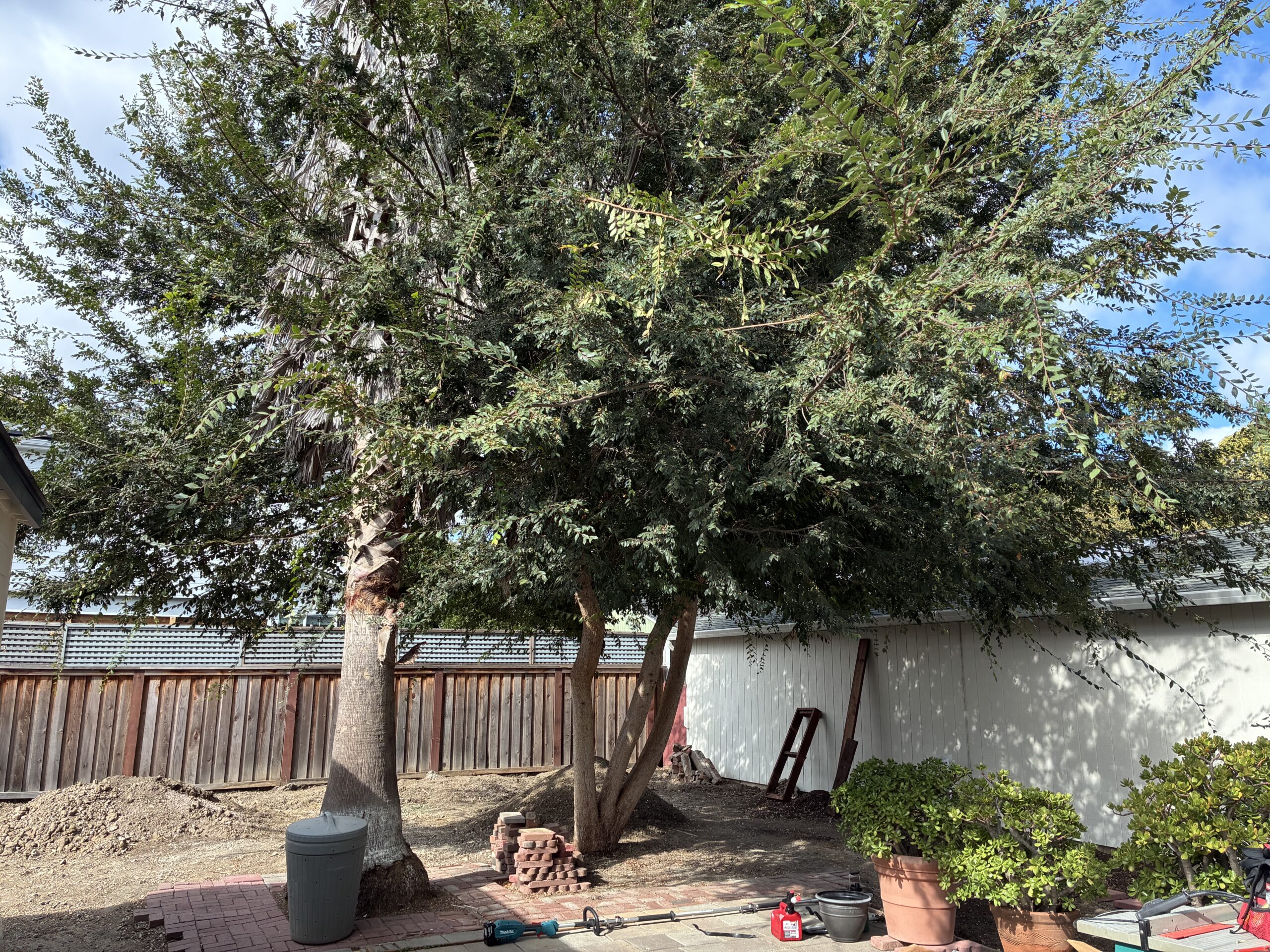
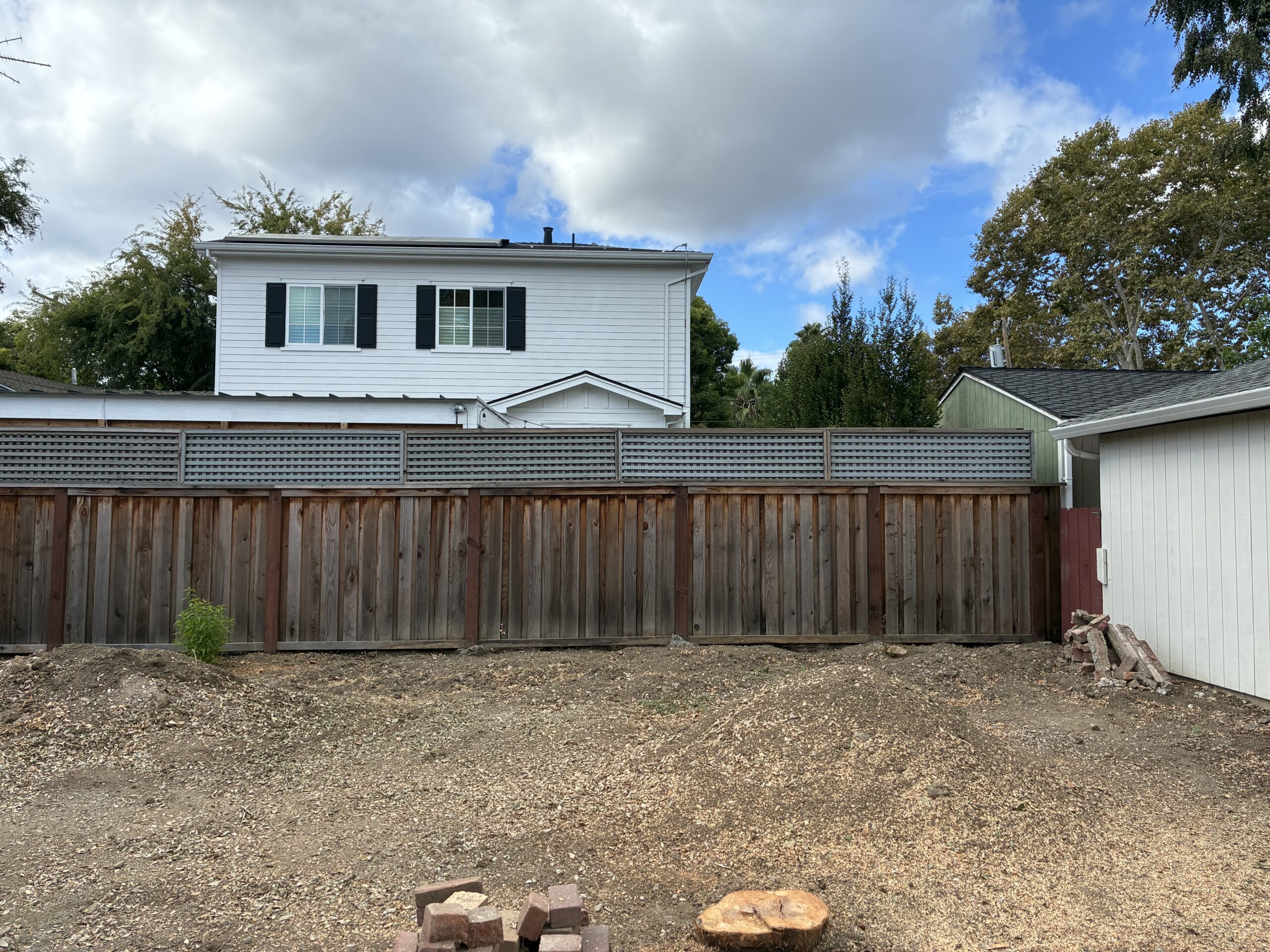
Chinese Elm: Removal #2
It’s so nice I had to have it as a job twice. This was an even larger Chinese Elm than the first one I cut down. I approached it much the same way as before; hack the crown, make the cuts fall inward, get it to bare trunks, then fell the trunks to bare ground. Fortunately, this one was centrally located in a large back yard, so it didn’t present *as much* risk to structures, but the size of it still necessitated some hacking and cutting in segments. It took me about half a day to take it down to the stump, then there were some more hours of labor to cut everything into appropriate sizes for removal to the street for San Jose to remove. It took either two or three street pickups for the whole thing to go away (four sizable piles each week).
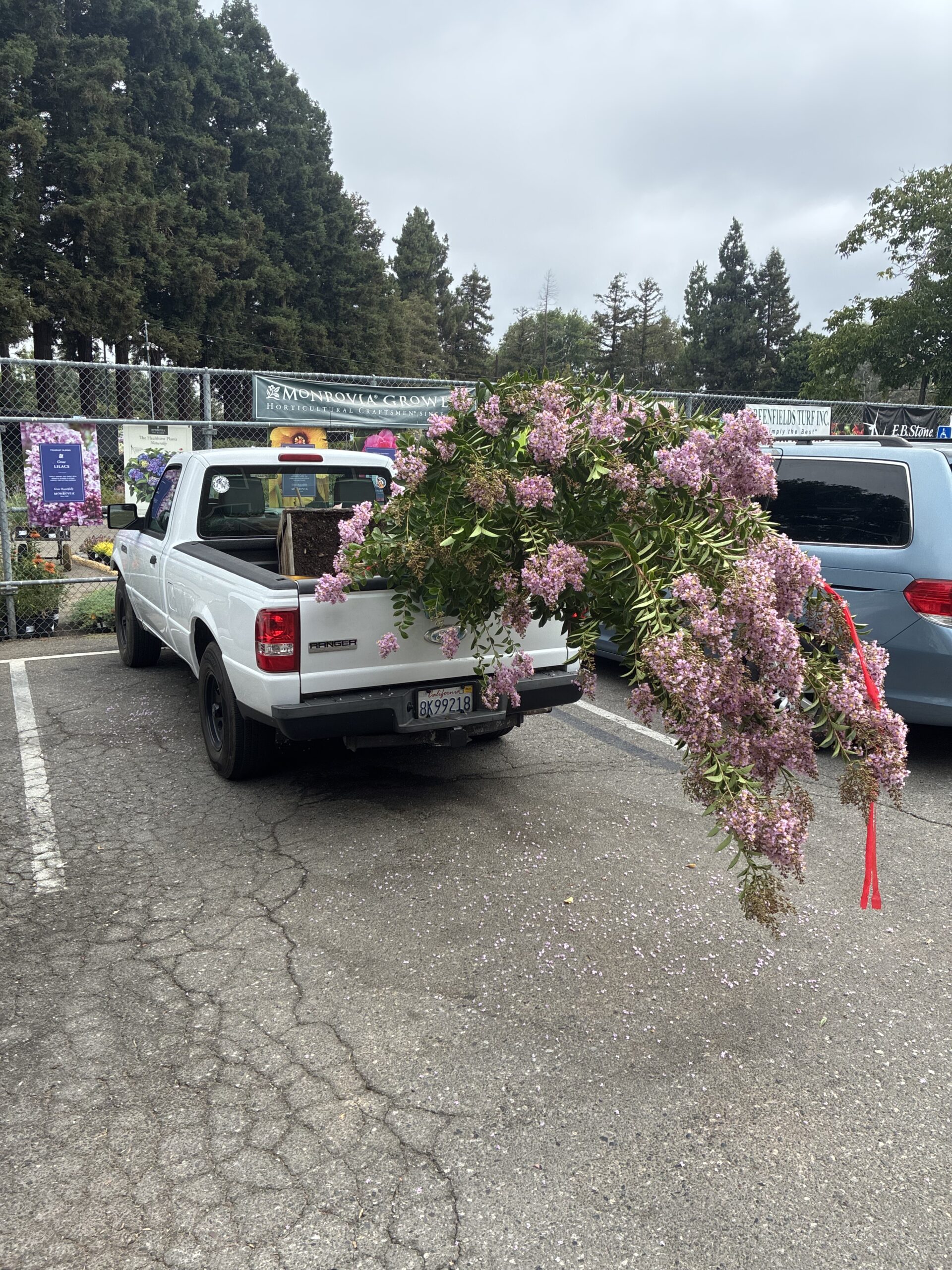
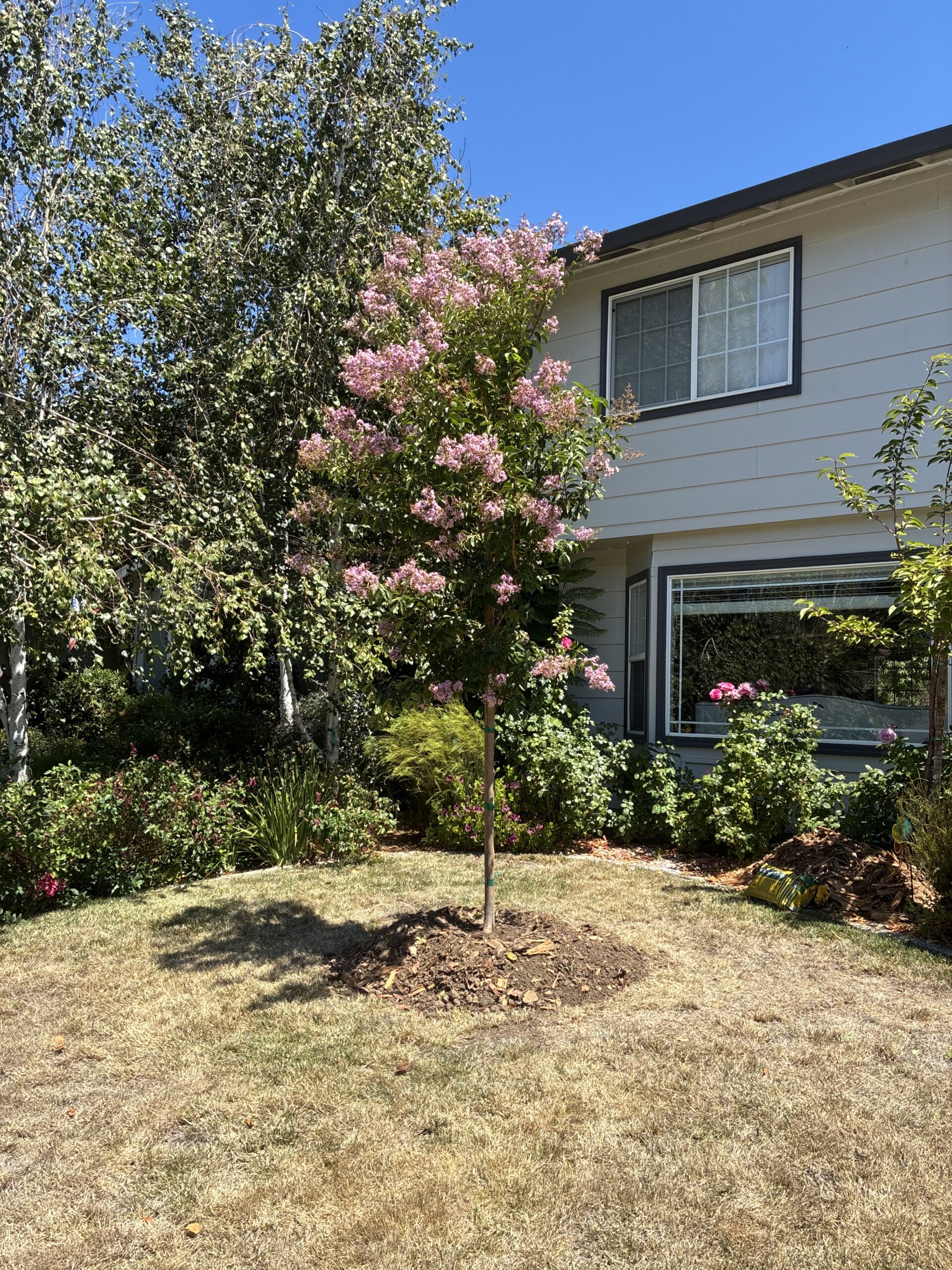
Crepe Myrtle: Transport & Plant
I used to work as a mover, and that provided me with a skillset that has lended itself to transporting things safely and without damage. I picked up this 10′ tall (12′ including the planter box) from a local San Jose nursery for a client and transported it to their front yard. I then dug a hole to specifications, and backfilled with the old dirt and some soil-builder amendment. The client had planted some of these in their backyard in previous years, so they already had a strong basis in their rationale for how to plant these. Mulch was added to the outer slope of the dirt well. The goal was for the crepe myrtle to help provide shade to a west facing living room window, and I believe that goal will be achieved in short order!
Persimmon: Pruning
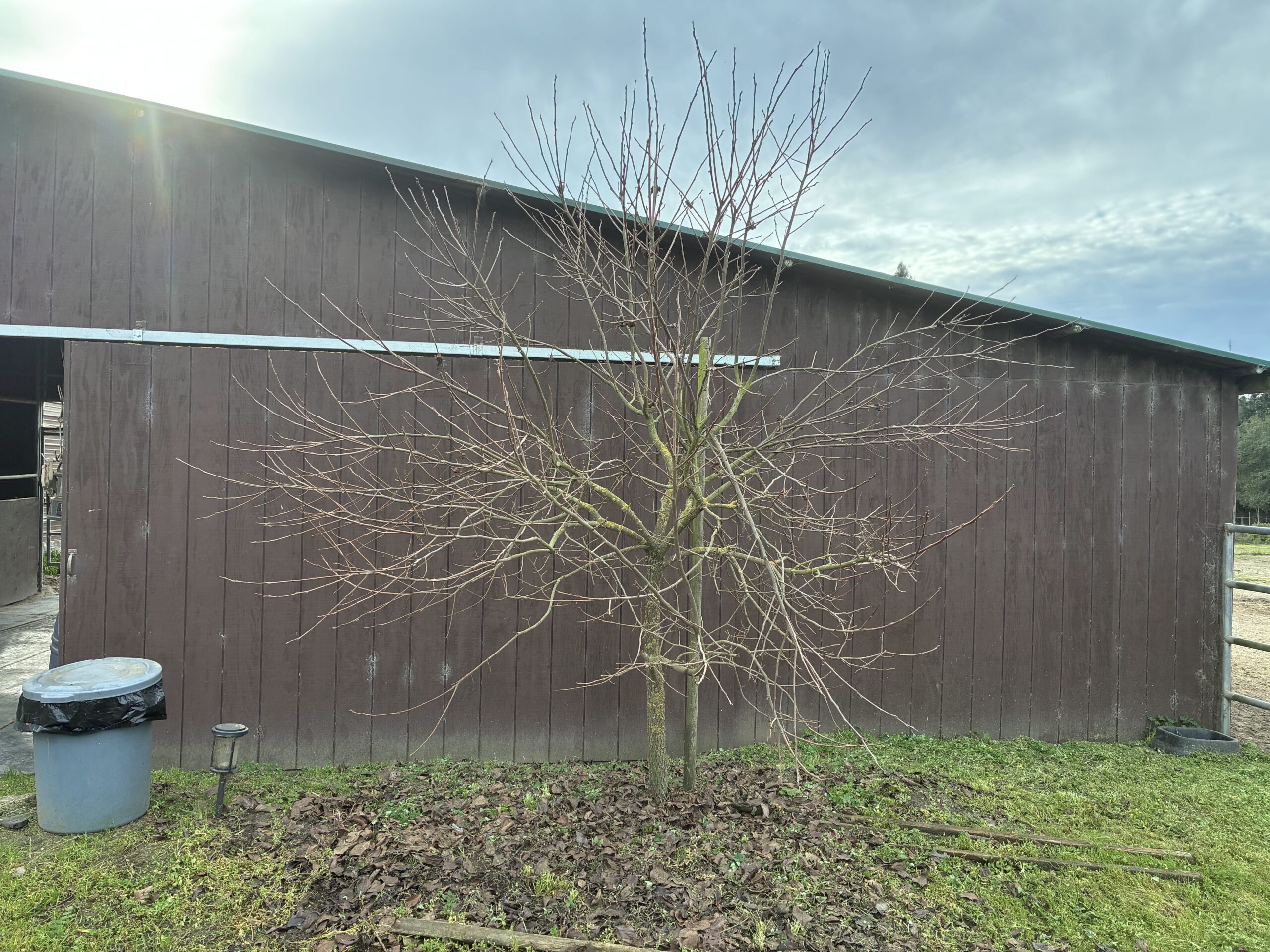
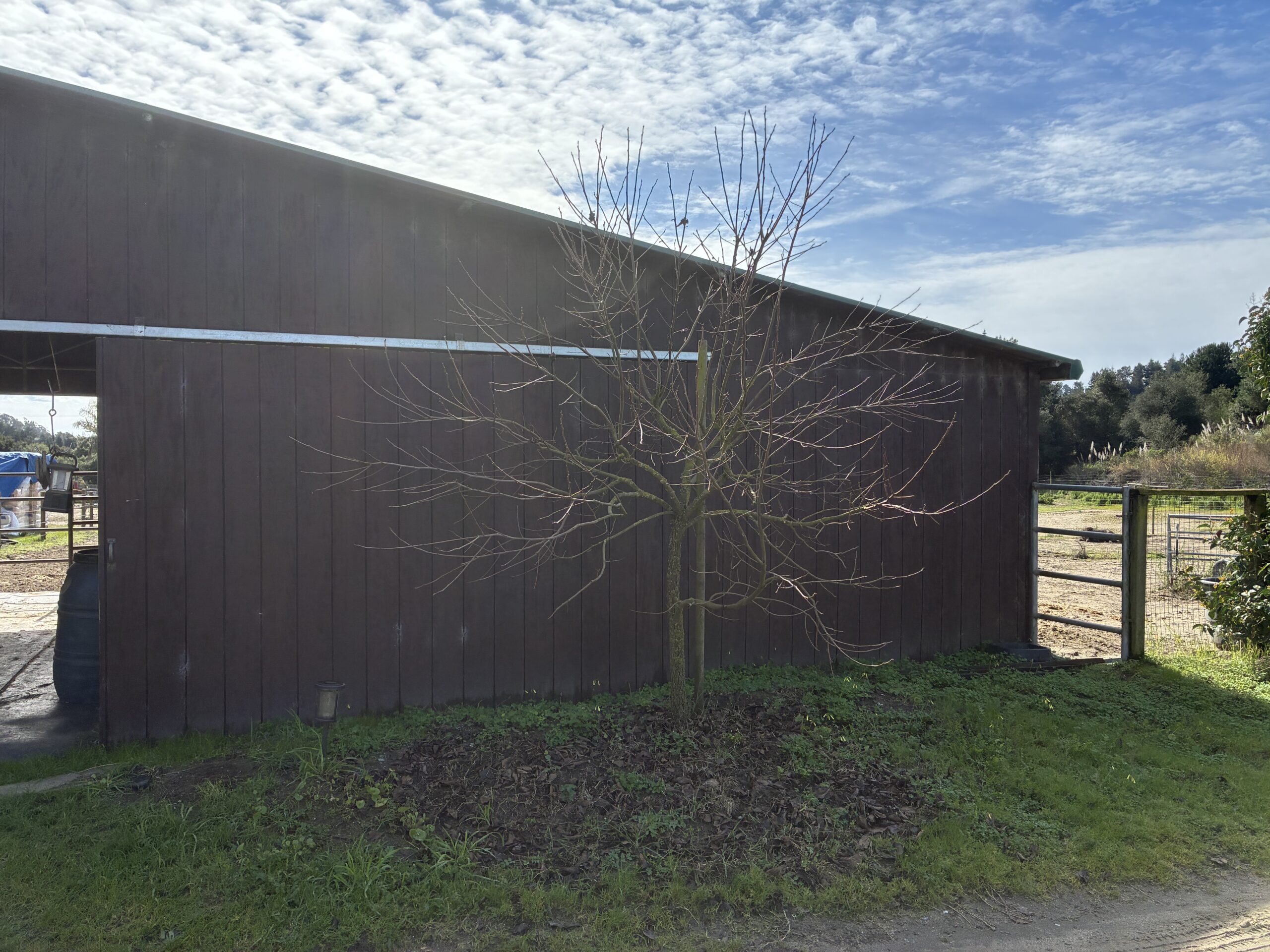
There was a little bit of everything on this persimmon tree; a few dead branches, crossing, growing inward, some reaching towards the road, and just a need to thin some parts out. After my intervention, the architecture of the tree should be overall much more accessible and aesthetically desirable once it fills in with leaves and eventually fruit.
Sycamore: Removal
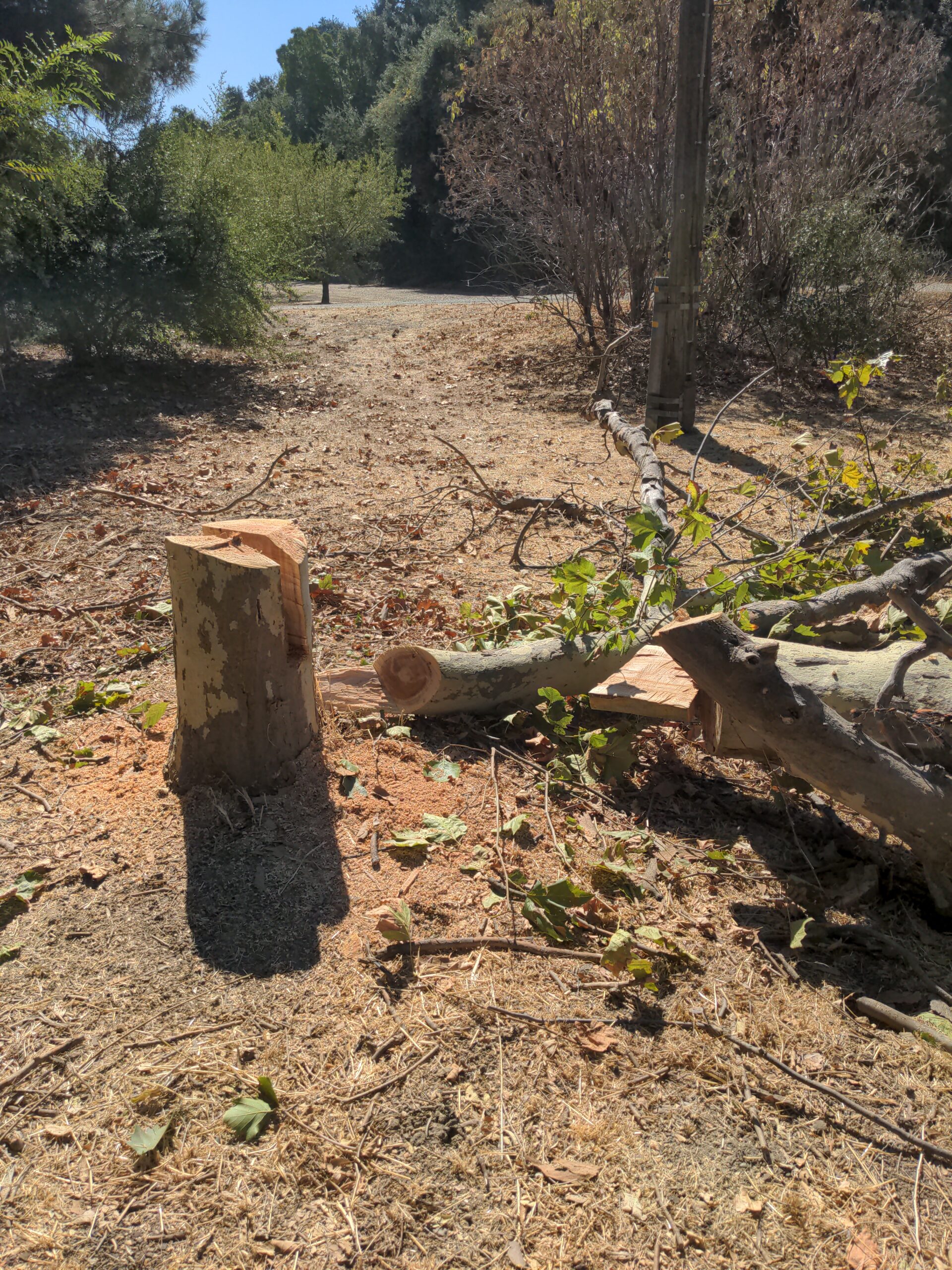
This is another case of forgetting to take a proper before photo, but the after photo should give you all of the context you need. This was a sycamore that actually had some kind of disease and was slowly dying. So, my client wanted to pull the plug on the tree. There were a lot of risks in this one; a nearby power line (inactive, but still undesirable to fell a tree into it), fence perimeter, other plant materials within the fall zone. It was also a respectable size (~16″-18″ trunk). So I opted to use a key notch cut to try and create some guarantee of the direction it would fall. Nothing was harmed or destroyed in the felling of this tree.
Stump Grinding
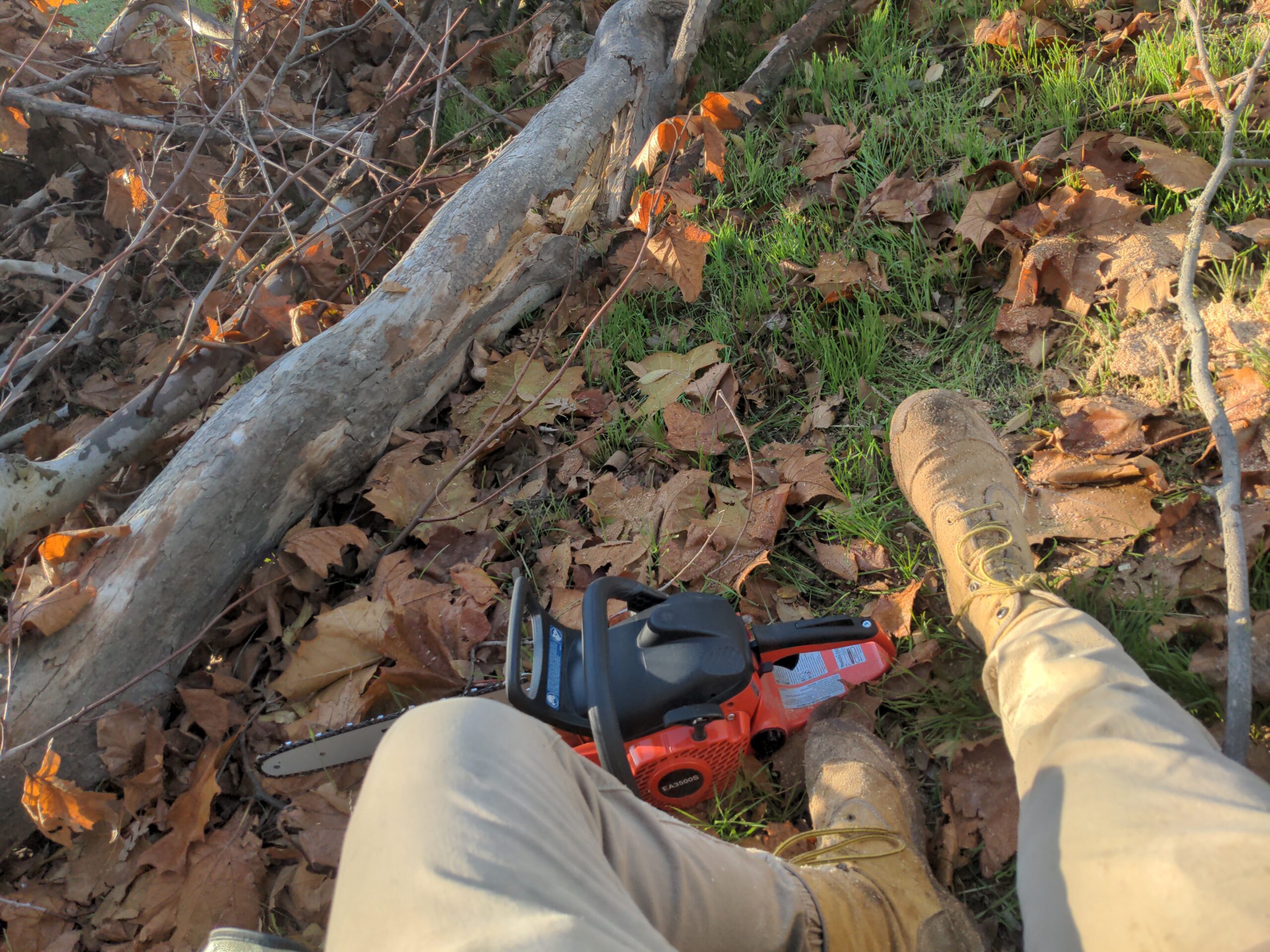
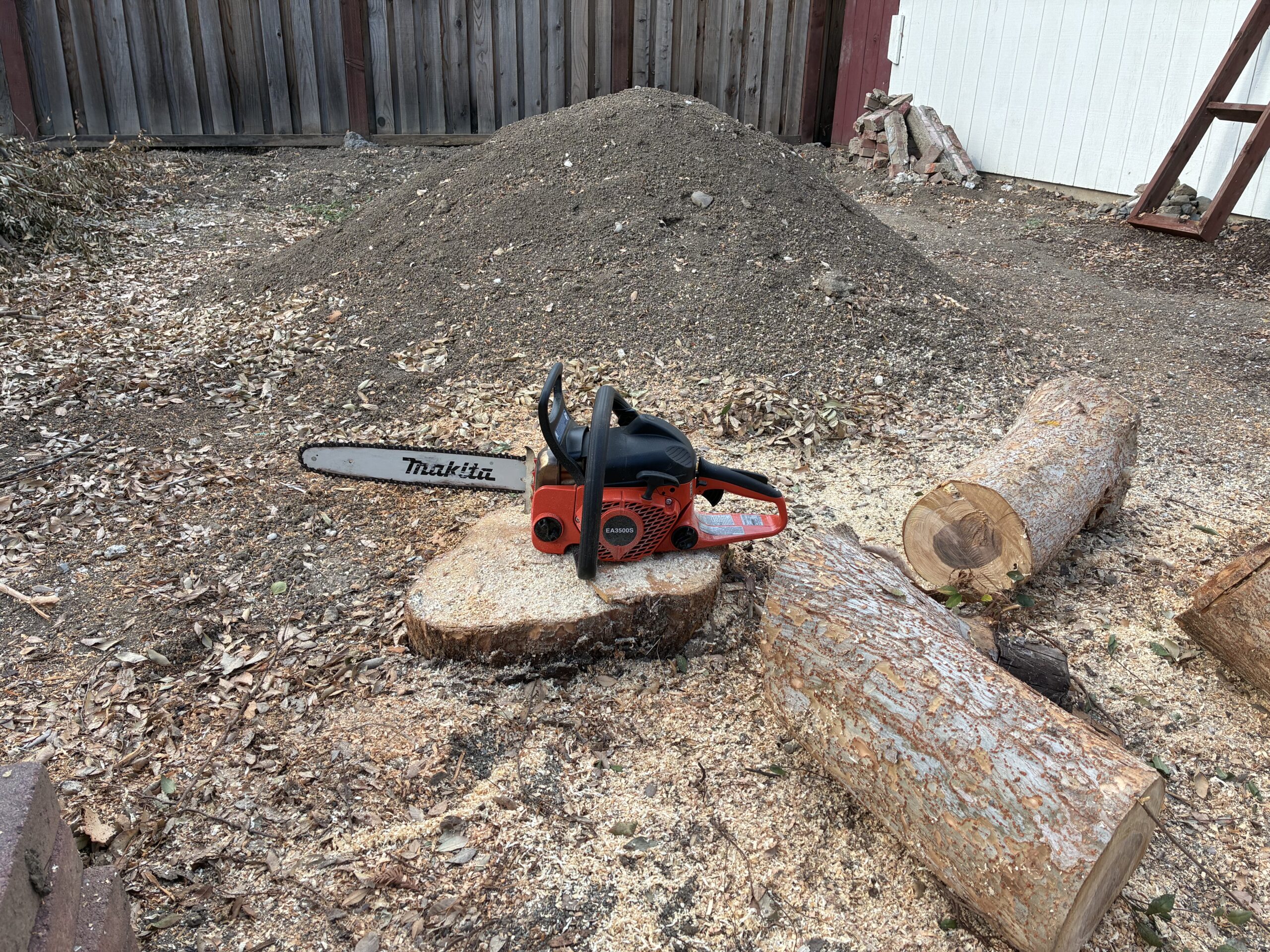
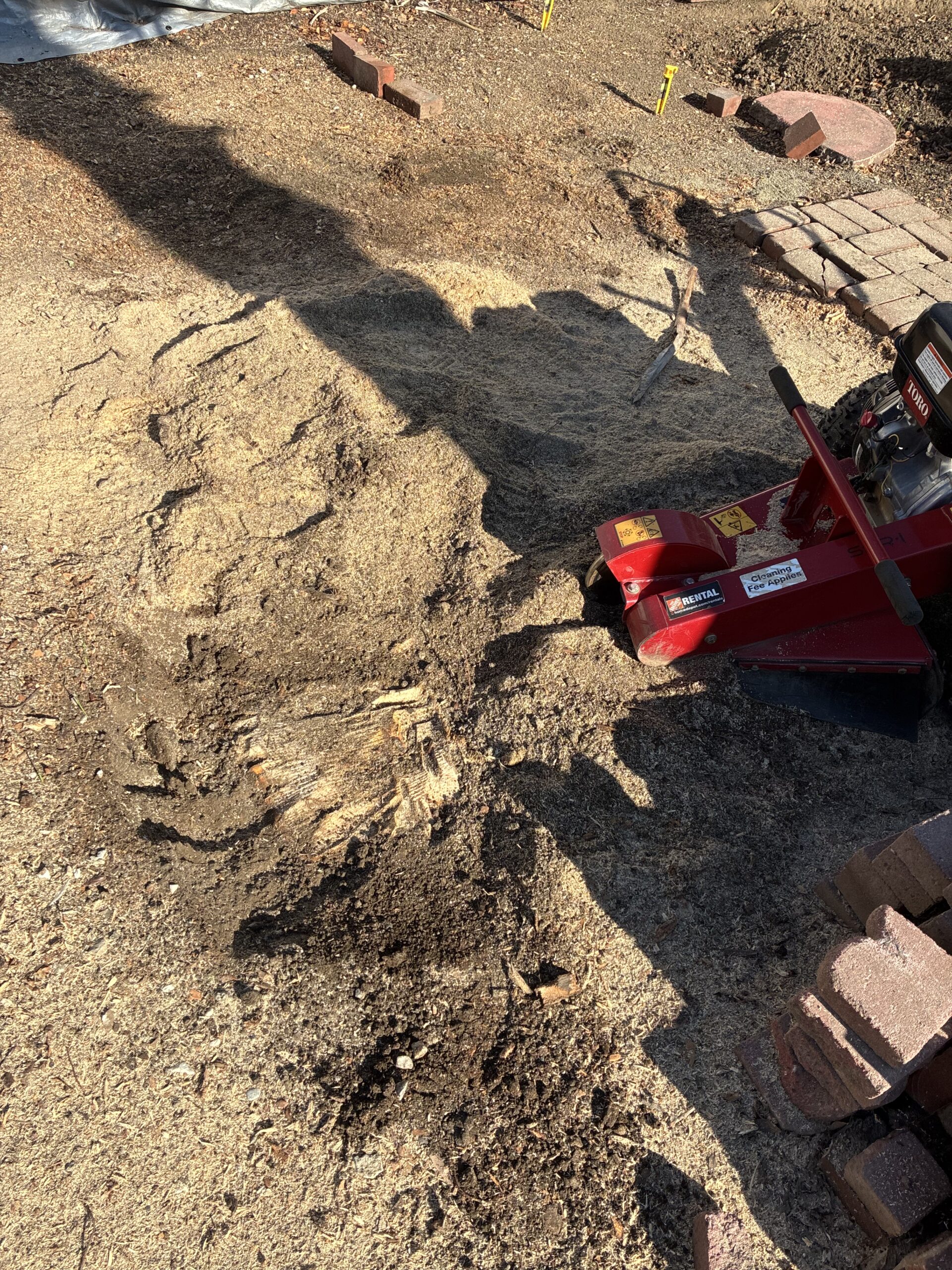
I cut down several trees in a back yard (including one of the Chinese Elms described above), and so eventually it came time to make the stumps go below grade. I rented the 13 HP stump grinder from Home Depot for a 4-hour time slot and transported it to the work site, unloaded it myself, ground down the stumps, loaded it myself, and took it back. I drilled the stumps and applied stump killer product to ensure the root systems die down and don’t shoot.
Chinese Elm: Removal
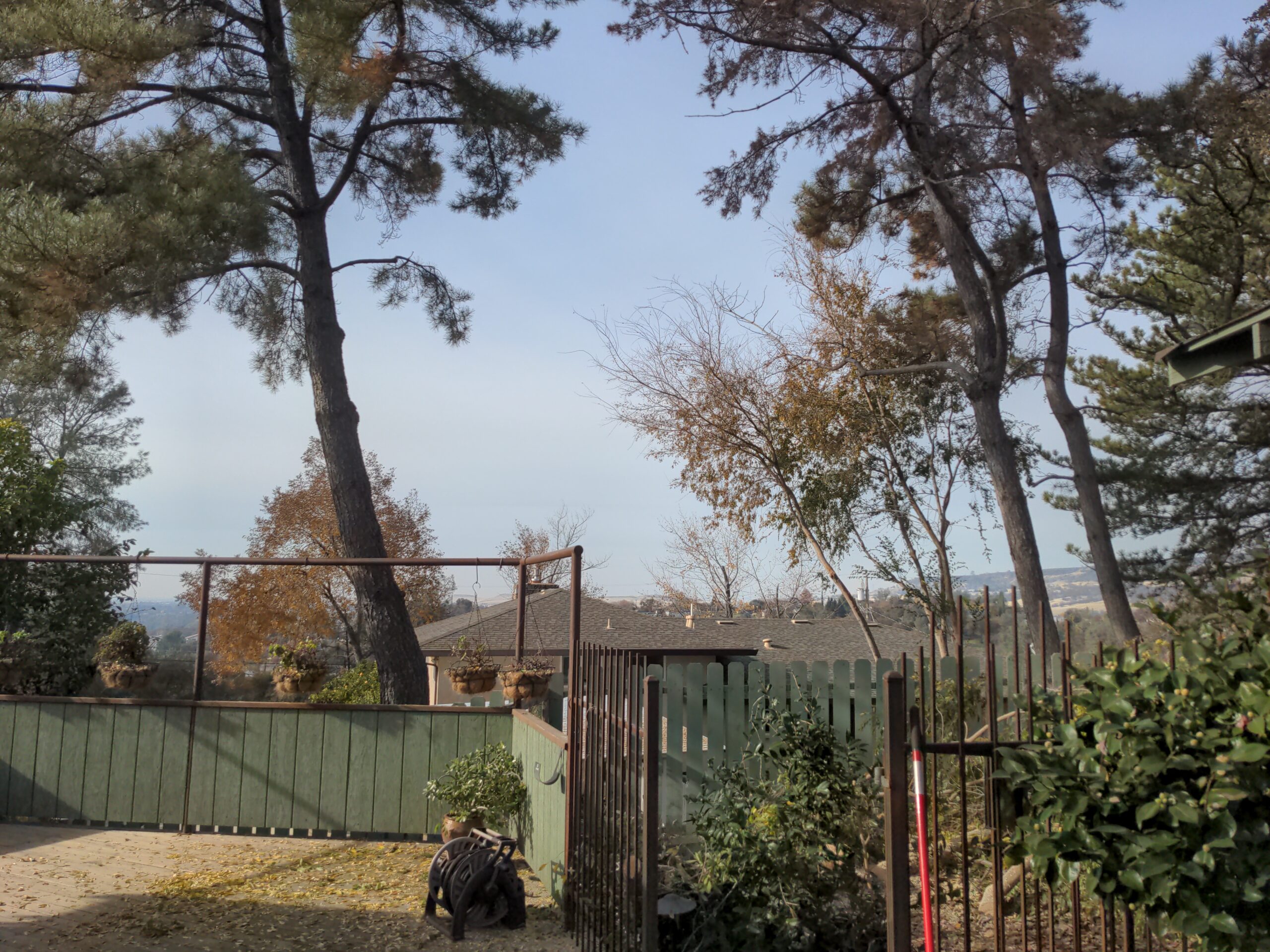
Chinese Elms are considered an invasive plant; they are very aggressive, and can greatly exacerbate damage to plumbing and foundations. I worked for this client for a few years, and at some point she was lamenting the elm, and I had just bought my chainsaw… well, you can see where this is going. This was a very large tree (16-18 inch trunk, 50ish feet high), looming over the corner of the house, the balcony, and the neighbors fence… there were a lot of structural considerations. I approached it by using my electric extension pole saw from the roof to remove most of the crown in a controlled manner, doing straight cuts to allow the limbs to fall in to the trunk so that they would not crush any fencing or other structures, and once enough of it was removed, I still used my pole saw to remove taller parts of the trunk. Then, I finished it off with the chainsaw and felled it to an unoccupied side yard. I forgot to take a before photo, but those of you familiar with Chinese Elm know how much different that after photo would look… forget about seeing Table Top Mountain!

Lemon Tree: Restructure
This is an example of a lemon tree that practically fell over because of a few different variables; positioning, photoperiodism, too much fruit, and no maintenance pruning. The tree grew towards the sun via photoperiodism, and since no one implemented any pruning interventions to potentially direct its growth, it eventually fell over once it leaned too far over once it was laden with fruit. Once the fruit was harvested and I removed some obvious crossing or dead branches (and one sizable limb growing horizontally), I managed to ratchet it up around 45 degrees. After some more removal cuts, I installed a heavy duty eye-hook into a nearby 4×4 fencepost and tied one of the two main trunks to that, pulling the shrub more upright. I selected the trunk that was still leaning, as one of the two trunks was fully upright after my interventions. I didn’t want to tie the entire thing, as I do believe in trying to encourage the tree to root itself and eventually to solidify this positioning. This will likely be a multi-year intervention to eventually remove the rope support. I would like to shape the tree the following year and continue establishing this shrub as an upright.